Flat Teeth: Why Teeth Feel Flat Over Time and How a Night Guard May Help
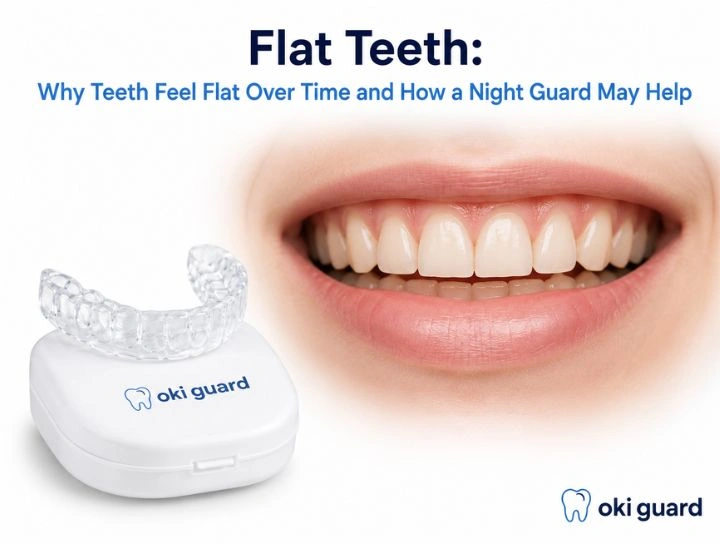
Flat teeth often develop as the raised edges and chewing surfaces gradually wear down. Repeated teeth grinding or clenching is a common cause, while acid erosion, bite pressure, and natural wear may also contribute. Early awareness gives you the opportunity to protect your enamel, maintain tooth strength, and support a balanced bite. When nighttime grinding contributes to the wear, a custom night guard creates a protective barrier between the upper and lower teeth. It helps reduce direct tooth contact, preserve the remaining enamel, and support long-term dental comfort. A dentist can identify the cause of the wear and recommend the most suitable protection for your teeth.
What Are Flat Teeth?
Flat teeth have biting or chewing surfaces that look smoother, shorter, or more level than before. Front teeth may develop even edges, while back teeth may show polished areas across the chewing surfaces. These changes often appear slowly, which makes regular dental visits valuable for early recognition. Every tooth has a strong outer layer called enamel. Enamel supports biting, chewing, and everyday comfort. Over time, repeated contact can gradually reshape the outer surface, making enamel changes more noticeable. Bruxism, which includes grinding and clenching, can contribute to worn tooth surfaces, enamel cracks, and changes in tooth shape. Flat teeth can still feel comfortable and function well. A proactive care plan helps preserve their remaining structure and supports a healthy, attractive smile.
What Causes Teeth to Feel Flat Over Time?
Teeth wearing down usually reflects a combination of natural use, bite contact, daily habits, and personal oral conditions. Each factor creates its own pattern, so a dental examination provides the clearest explanation.
Nighttime Grinding and Clenching
Sleep bruxism can create repeated pressure and sliding movement between the teeth. This activity may happen quietly during sleep, so smooth edges or polished surfaces may become the first visible clue. Flat teeth from grinding often show matching areas where upper and lower teeth meet. Front edges may look straighter, and back teeth may show smooth contact points. A sleeping partner may also notice grinding sounds, while morning tooth sensitivity or muscle tiredness can provide extra information.
Daytime Clenching
Focused work, driving, exercise, and busy routines can encourage firm tooth contact during the day. Gentle awareness supports a relaxed resting position. Your lips can rest softly together while a small space remains between the upper and lower teeth.
Bite Pattern
The way your teeth meet can direct pressure toward particular edges or chewing surfaces. Some teeth may carry more contact during forward or side-to-side jaw movement. A dentist can map these contacts and explain how your bite contributes to the appearance of flat teeth.
Food and Drink Habits
A balanced eating routine supports enamel health. Water, regular meals, and tooth-friendly timing help the mouth maintain a comfortable environment. A dental professional can also offer personalized guidance when acidic foods or drinks play a role in tooth enamel wear.
What Do Worn Down Teeth Look Like?
Worn down teeth can show several visible features. These signs often become easier to recognize when you compare current photographs with earlier pictures.
Common features include:
- Smooth or polished biting edges
- Front teeth that look shorter or more even
- Back teeth with flatter chewing surfaces
- Fine lines along the enamel
- Small changes in tooth shape
- Increased transparency near front tooth edges
- A warmer tooth shade as enamel becomes thinner
- Matching contact areas on upper and lower teeth
- Sensitivity during warm or cool foods
- Wear marks on an existing night guard
Each feature offers useful information rather than a final answer. A dentist can connect these details with your bite, health history, sleep routine, and daily habits.
Are Flat Teeth From Grinding Easy to Recognize?
Flat teeth from grinding often have smooth, shiny surfaces that match opposing teeth. Grinding can gradually create more even front edges, along with subtle changes to the back teeth. A dentist can use lighting, magnification, photographs, scans, and earlier records to identify the pattern with greater confidence. A professional review also helps separate grinding-related wear from other types of tooth enamel wear. Acid-related wear may look rounded or gently scooped, while brushing-related changes may appear closer to the gumline. A clear diagnosis supports the most effective protective plan.
Can Front Teeth Become Flat First?
Front teeth often guide forward and side-to-side jaw movement. Repeated contact can gradually create a more even appearance along the tooth edges. This change can create a smooth smile line and may also influence how the teeth guide the jaw.
How Does Tooth Enamel Wear Affect Tooth Shape?
Enamel forms the strong outer surface of the tooth crown. It gives teeth their shape and helps them manage daily chewing forces. Tooth enamel wear gradually changes this surface, which can make edges feel smoother and chewing areas feel flatter. Thinner enamel may also reveal more of the warm shade beneath it. Some people notice greater sensitivity because temperature changes reach deeper tooth layers more easily. Worn enamel is one recognized reason for tooth sensitivity so that professional guidance can support comfort and protection. A positive care plan focuses on preserving the enamel that remains. Gentle brushing, regular dental reviews, balanced eating habits, and suitable nighttime protection can all support that goal.
How May a Night Guard Help Flat Teeth?
A night guard covers one arch of teeth and provides a separate surface for nighttime contact. This barrier helps reduce direct rubbing between natural tooth surfaces. It also supports pressure distribution across the appliance rather than concentrating contact on a few tooth edges.
Night guard use may offer several benefits:
It Supports Enamel Preservation
The guard receives the contact created during clenching or grinding. This design helps preserve the tooth structure and enamel that remain.
It Protects Tooth Shape
A protective layer supports front edges and back chewing surfaces during sleep. Consistent use can help maintain the current shape while your dentist monitors progress.
It Supports Restorative Dental Work
Bonding, crowns, and other restorations can benefit from a protective nighttime surface. Your dentist can guide the guard design around your completed dental care.
It Encourages a Consistent Care Routine
Placing the guard after brushing creates a clear bedtime habit. Regular use supports dependable protection and a positive connection between sleep and oral care.
Dental guidance commonly includes a night guard as a protective option for teeth affected by clenching or grinding.
Which Night Guard May Suit Flat Teeth?
The ideal material depends on your grinding strength, bite, comfort preference, enamel condition, and dental guidance. OkiGuards provides three custom choices that support different needs.
Soft Night Guard
The Soft Night Guard has a flexible and cushioned feel. It may suit lighter clenching and people who prefer a gentle material around their teeth. Its comfortable design can make regular nighttime use feel simple.
Hybrid Night Guard
The Hybrid Night Guard combines a soft inner layer with a firm outer surface. The inner layer supports a comfortable fit, while the stronger biting surface supports durability. This balance may suit moderate grinding and people who value both cushioning and stability.
Hard Night Guard
The Hard Night Guard provides a firm and stable surface. It may suit stronger clenching or grinding patterns and people who value durable protection. Its smooth surface supports controlled contact during sleep.
A custom impression helps each option follow the shape of your teeth. A close fit supports secure placement, comfortable breathing, and consistent wear.
Can a Night Guard Make Flat Teeth Round Again?
A night guard focuses on protecting the current tooth structure. A dentist can discuss separate cosmetic or restorative care when additional shape, length, or bite support would benefit your smile. Dental bonding, contouring, or other personalized care may enhance tooth form. A protective night guard can then support the completed work during sleep. This combined approach brings appearance, comfort, and preservation into one positive plan.
How Can You Tell Whether Teeth Are Still Wearing Down?
Regular comparison offers the clearest insight. Your dentist can compare photographs, digital scans, bite records, and tooth measurements across visits. These records reveal small changes with precision. A short morning note can add helpful context. Record tooth comfort, jaw energy, sleep quality, and any grinding sounds reported by a partner. This information supports a focused dental conversation.
Positive Daily Habits That Support Worn Down Teeth
Daily care works well alongside a custom night guard.
Practice a Relaxed Jaw Position
Keep your lips soft and allow a small space between your teeth during rest. Let your tongue sit comfortably near the roof of your mouth. Gentle reminders throughout the day can turn this position into a natural habit.
Build a Calm Sleep Routine
A steady bedtime, slow breathing, quiet reading, and comfortable room temperature support restful sleep. Placing your guard at the same point in this routine helps create consistency.
Choose Gentle Oral Care
Use a soft toothbrush and smooth movements. Brush twice daily with guidance from your dental professional, and clean between the teeth each day. These habits support fresh breath, healthy gums, and enamel care.
Support Hydration
Water supports saliva flow and a comfortable mouth. Regular hydration also complements meals and daily oral care.
Attend Routine Dental Visits
Dental visits create valuable opportunities to compare tooth shape, review bite contact, and assess your night guard. Early observations support simple and confident decisions.
How to Care for Your Night Guard
Fresh daily care helps the appliance feel comfortable and perform well. Rinse it after each use with cool or lukewarm water. Clean it gently according to its care directions, then allow it to dry in a ventilated case. Brush and clean between your teeth before wearing the appliance. This step keeps your bedtime routine fresh and supports a pleasant fit. Inspect the guard under good lighting each week. Smooth surfaces, a secure fit, and a clean case support positive long-term use. Bring the appliance to dental appointments so its fit and wear pattern can become part of your regular review.
Frequently Asked Questions
Why Are My Teeth Becoming Flat?
Teeth may become flat through natural contact, sleep grinding, daytime clenching, bite patterns, or gradual tooth enamel wear. A dental examination can identify the main pattern and provide personalized guidance.
Do Flat Teeth Always Mean Grinding?
Flat teeth can reflect several influences. Matching polished surfaces, grinding sounds, morning sensitivity, and changes across dental records can make grinding a stronger possibility. A professional assessment brings clear answers.
Can Flat Teeth Stay Healthy?
Yes. Flat teeth can remain comfortable and functional with regular monitoring, gentle care, and suitable protection. Early support helps preserve their strength and appearance.
Does a Night Guard Protect Worn Down Teeth?
A night guard creates a barrier between the upper and lower teeth. This barrier helps reduce direct contact and supports preservation of the remaining tooth structure.
Which Night Guard Is Suitable for Flat Teeth From Grinding?
The choice depends on grinding strength, comfort preference, bite, and professional guidance. Soft, Hybrid, and Hard Night Guards provide different combinations of cushioning, balance, stability, and durability.
How Often Should a Night Guard Be Checked?
Bring the guard to routine dental visits and review it regularly at home. A dental professional can assess fit, surface wear, and continued comfort.

Final note
Flat teeth often develop gradually through everyday contact, clenching, grinding, bite patterns, and tooth enamel wear. Smooth edges and polished chewing surfaces provide helpful signs that encourage early care. A custom night guard may help by creating a protective surface between the teeth. This layer supports enamel preservation, tooth shape, restorative work, and consistent nighttime care. OkiGuards offers Soft, Hybrid, and Hard Night Guard options for different comfort and protection needs. A dental professional can help you select the most suitable design and create a complete care plan. Early awareness gives you a strong foundation for action. With gentle daily habits, regular dental reviews, and comfortable nighttime protection, worn-down teeth can receive dependable support for a healthy and confident smile.