Signs of Poor Oral Hygiene to Catch Before It Gets Worse
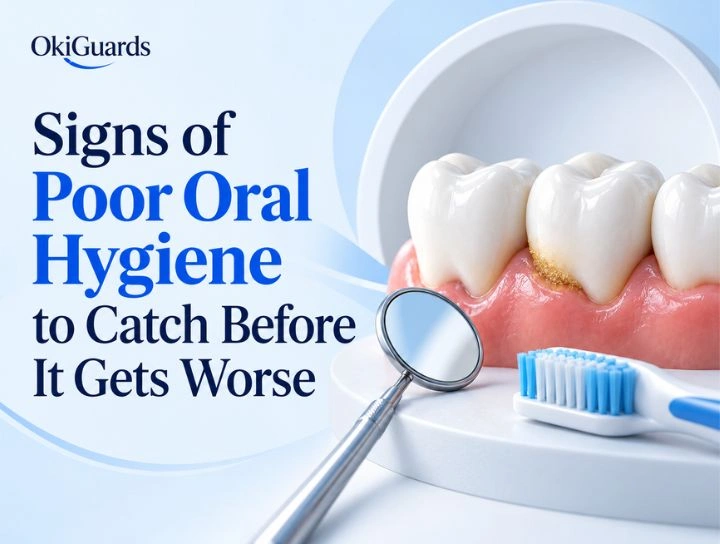
Signs of poor oral hygiene include bleeding gums, persistent bad breath, visible plaque, and changes in tooth sensitivity, and recognizing these clues early helps you take positive steps toward a healthier smile. Consistent home care and timely dental advice can address many early concerns and support comfortable teeth and gums. Your mouth provides useful feedback about your daily routine. A change in how your gums feel, how your breath smells, or how easily food collects between teeth can help you identify areas that deserve extra attention.
These changes can have several explanations, including dry mouth, brushing technique, medication, and existing dental conditions. A professional assessment helps you understand the cause and choose suitable care. This guide explains common poor oral hygiene symptoms, practical ways to improve your routine, and how clean dental appliances fit into everyday oral care.
What Does Good Oral Hygiene Look Like?
Good oral hygiene combines effective daily cleaning with dental visits suited to your individual needs. The goal is to manage plaque, support healthy gums, and maintain a comfortable mouth. Plaque is a sticky bacterial film that forms on teeth. Brushing and cleaning between teeth help remove it regularly, while professional cleaning removes hardened deposits called tartar. A useful routine includes twice-daily brushing with fluoride toothpaste, daily interdental cleaning, and appropriate care for retainers or night guards.
Healthy gums generally feel comfortable and remain firm around the teeth. Their natural color varies between individuals, so noticing changes from your usual appearance is particularly helpful. Your dentist can explain what healthy looks like for your mouth and recommend adjustments that suit your teeth, restorations, and appliances.
Early Signs of Poor Oral Hygiene
Recognizing changes gives you a practical starting point for improving your care. The following observations are useful prompts for a dental conversation rather than a diagnosis by themselves.
Bleeding Gums During Brushing or Cleaning
support recovery. Plaque-related gingivitis is one possible explanation. Brushing pressure, changes in interdental cleaning, medications, and other health factors may also contribute. Use a soft-bristled brush and gentle movements while arranging dental advice for recurring bleeding. Your dentist or hygienist can demonstrate a comfortable technique and recommend appropriately sized cleaning tools.
Persistent Changes in Breath
Breath naturally changes after certain foods or overnight. Breath that remains noticeably unpleasant despite regular cleaning can be a helpful reason to review your routine. Plaque, trapped food, tongue coating, gum inflammation, and dry mouth can contribute. Identifying the source helps you choose a more effective response. Brush thoroughly, clean between teeth, and gently clean your tongue. A dental visit can investigate persistent changes and guide further care.
A Sticky Film on Teeth
A fuzzy or sticky feeling may reflect plaque accumulation, particularly near the gumline or on surfaces that receive less brushing attention. Use this observation to review your coverage. Cleaning the inner, outer, and chewing surfaces helps create a more complete routine. A two-minute timer can help you distribute your brushing time evenly across the mouth.
Hard Deposits Near the Gumline
Firm deposits may be tartar, which forms when plaque hardens. A hygienist or dentist can remove tartar using professional instruments. Booking a cleaning provides an opportunity to restore a cleaner surface and review the areas where deposits collect. Daily care then helps manage fresh plaque between visits.
Puffy or Tender Gums
Gums that feel swollen or tender can benefit from a professional evaluation. Your dental team can assess plaque levels, cleaning technique, and other contributing factors. Gentle home care complements the treatment recommended for your situation. Early plaque-related gum inflammation often responds well to improved cleaning and appropriate professional care.
New Tooth Sensitivity
Sensitivity to cold, heat, or sweet foods offers a reason to check your teeth. Possible explanations include exposed roots, tooth decay, enamel wear, and cracks. A dental examination helps distinguish these causes and identify suitable treatment. Depending on the findings, your dentist may recommend a sensitivity toothpaste, fluoride treatment, restoration, or another approach.
Frequent Food Trapping
Food repeatedly collecting in the same space may indicate an area that needs more effective cleaning or a closer dental assessment. Your dentist can check tooth contacts, existing fillings, and gum health. A suitable interdental tool can make daily cleaning more comfortable and effective.
Changes Around the Gumline
Teeth that appear longer or newly exposed root surfaces deserve a dental conversation. Gum recession can have several causes, including inflammation and brushing trauma. An assessment helps you understand the contributing factors. Personalized advice can support gentler cleaning and appropriate treatment.
A Guide to Changes Worth Checking
| What you notice | Helpful next step |
| Recurring bleeding during cleaning | Arrange a gum assessment and review your technique |
| Persistent unpleasant breath | Review cleaning, tongue care, and dry-mouth symptoms |
| Sticky buildup on teeth | Improve brushing coverage and daily interdental cleaning |
| Hard deposits near the gums | Schedule professional cleaning |
| New sensitivity | Ask your dentist to identify the cause |
| Food collecting in one area | Have the tooth contact and gum area checked |
| A change in gum position | Request advice on recession and brushing pressure |
These observations help you describe your concerns clearly during an appointment.
Common Causes of Poor Oral Hygiene
Understanding the causes of poor oral hygiene makes it easier to choose practical improvements. A useful plan considers both daily habits and the circumstances that make oral care challenging.
Rushed or Incomplete Brushing
Busy mornings and tired evenings can make brushing feel quick and simple. A predictable two-minute routine helps you give each area enough attention. Try dividing the mouth into four sections and spending approximately 30 seconds on each. Include the gumline and the inside surfaces of the front teeth.
Limited Cleaning Between Teeth
A toothbrush reaches many surfaces, while interdental cleaning addresses the spaces between teeth. Floss, interdental brushes, and water flossers offer different options. Your dental professional can help you choose a tool that suits the spacing of your teeth and your ability to use it comfortably.
Dry Mouth
Saliva helps clear food and supports the mouth’s natural protective processes. Persistent dryness deserves attention, particularly when it affects eating, speaking, or nighttime comfort. Drinking water regularly can support comfort. Your dentist or doctor can review possible causes, including medications, and suggest appropriate management.
Frequent Sugary Snacks or Drinks
The frequency of sugar exposure influences cavity risk. Planning sugary foods with meals and choosing water between meals can support a tooth-friendly routine. Small, sustainable changes are often easier to maintain. Start with the drink or snack you consume most frequently.
Challenges With Access or Dexterity
Hand comfort, individual abilities, sensory preferences, and access to care can influence oral hygiene routines. Adapted tools and individualized guidance can make the routine more manageable. An electric toothbrush, modified handle, or alternative interdental cleaner may help. Your dental team can suggest practical options based on your needs.
Incomplete Appliance Cleaning
Retainers and night guards add surfaces that need regular care. Cleaning the appliance and its storage case helps maintain a fresher routine.
Understanding the Effects of Poor Oral Hygiene
Learning about the effects of poor oral hygiene helps explain why consistent care matters. Plaque bacteria contribute to tooth decay and gum inflammation. Professional assessment helps identify the stage of a concern and the treatment most likely to help. Early plaque-related gingivitis can often improve with effective daily cleaning and professional care. Established periodontitis requires dental treatment to control disease and protect the tissues supporting the teeth. Early enamel changes may sometimes benefit from fluoride and a dentist-guided prevention plan. A cavity that has formed generally needs assessment for restorative treatment. These distinctions support realistic expectations. Home care provides the foundation, and professional treatment addresses needs that cleaning alone cannot resolve.
How to Improve Oral Hygiene With a Practical Routine
Knowing how to improve oral hygiene becomes more useful when the steps fit comfortably into your day.
Brush Twice Daily With Fluoride Toothpaste
Brush for two minutes using a soft-bristled toothbrush and fluoride toothpaste. Apply gentle pressure and guide the bristles across every tooth surface. An electric toothbrush with a timer or pressure sensor can be helpful if it suits your preferences. Consistent technique matters with either a manual or powered brush. Replace your toothbrush or brush head approximately every three to four months, or sooner when the bristles become frayed.
Clean Between Teeth Every Day
Choose a time you can repeat consistently, such as before your evening brushing. With floss, gently guide it around the side of each tooth. Interdental brushes should fit comfortably, and your hygienist can help select an appropriate size. A demonstration during your appointment can make the process easier to follow at home.
Give Your Tongue Gentle Attention
Gentle tongue cleaning can help remove coating and support fresher breath. Use light pressure with a suitable scraper or toothbrush. Focus on comfortable cleaning, and ask your dentist about any persistent soreness or unusual changes.
Choose Mouthwash for a Specific Purpose
Mouthwash can be a useful addition when it matches your needs. Fluoride rinses and other therapeutic products serve different purposes. Ask your dentist which product, if any, would help and when to use it. Brushing and interdental cleaning remain the main methods of physically removing plaque.
Make Water Your Everyday Drink
Regular water intake supports hydration and can help clear food residue. Keeping water nearby makes it easier to choose throughout the day. For persistent dryness, ask about additional options such as saliva substitutes or suitable sugar-free products.
Arrange Dental Visits Around Your Needs
Your dentist can recommend an appointment schedule based on gum health, cavity risk, medical history, and previous treatment. Regular reviews provide opportunities to check changes early and refine your routine. Professional cleaning also addresses tartar and areas that need additional attention.
A Simple Morning and Evening Plan
| Time | Oral care step | Purpose |
| Morning | Brush for two minutes with fluoride toothpaste | Cleans tooth surfaces and provides fluoride |
| During the day | Drink water and notice persistent changes | Supports hydration and awareness |
| Evening | Clean between teeth | Removes plaque from interdental spaces |
| Before bed | Brush thoroughly with fluoride toothpaste | Completes daily tooth cleaning |
| After appliance use | Clean and dry your night guard or retainer as directed | Supports appliance hygiene |
Connecting these steps to established habits can make them easier to maintain.
Oral Hygiene and Teeth Grinding: Caring for Both
Some people experience oral hygiene problems alongside grinding or clenching. A dental assessment helps separate these concerns and build an appropriate plan. Plaque control supports teeth and gums. A recommended night guard provides a protective contact surface for grinding forces. Sensitivity, tooth wear, and jaw discomfort can have several causes, so an examination is helpful before choosing an appliance. If your dentist recommends a custom guard, OkiGuards offers different materials and thicknesses. Clean teeth, healthy gums, and consistent appliance care support a more comfortable wearing routine. Active gum symptoms or new dental discomfort should be assessed before taking impressions or starting a new appliance.
Choosing an OkiGuards Night Guard When Recommended
Comparing construction, thickness, and package details helps you make an informed purchase.
| Product | Listed thickness options | Package price | Main feature |
| Custom Soft Night Guard | 2 mm | $149 for two guards | Flexible cushioning |
| Custom Hybrid Night Guard | 1, 2, or 3 mm | $149 for two guards | Soft interior and firmer exterior |
| Custom Hard Night Guard | 1.5 or 3 mm | $169 for two guards | Rigid thermoplastic construction |
Your dentist can guide the material, placement, and wearing schedule based on your bite and dental condition. The OkiGuards How It Works page explains the impression process. Reviewing the instructions and discussing questions with OkiGuards support can help you prepare for an order.
Keep Your Night Guard Clean and Comfortable
Appliance care works best as part of your existing oral hygiene routine. Rinse your guard after use and clean it according to the product instructions. OkiGuards recommends gentle cleaning and thorough drying before storage. Use a soft brush and a compatible cleaner. Keeping the appliance away from heat helps preserve its shape, while a clean, ventilated case supports storage between uses.Check the guard regularly for cracks, rough edges, changes in fit, or buildup. Contact the provider for material-specific advice and your dentist for new tooth or gum symptoms. A comfortable fit supports consistent use, and professional guidance helps determine whether an adjustment or replacement is appropriate.
When to Arrange Dental Care
Book a dental appointment for recurring bleeding gums, persistent breath changes, new sensitivity, or a change in gum position. Seek urgent dental care for significant swelling, severe pain, pus, fever with dental symptoms, or an adult tooth becoming loose. Prompt assessment provides access to appropriate treatment. For swelling that affects breathing or swallowing, seek emergency medical care immediately.
Frequently Asked Questions
Can oral hygiene problems occur even when I brush daily?
Yes. Brushing coverage, interdental cleaning, dry mouth, and individual risk factors all matter. Your dentist can help identify useful adjustments.
Can bleeding gums improve?
Bleeding related to plaque-induced gingivitis often improves with effective cleaning and professional care. Recurring bleeding deserves an assessment to establish the cause.
Can a night guard improve oral hygiene?
A night guard serves grinding-related protection. Daily brushing, interdental cleaning, and appliance cleaning provide the hygiene care needed alongside it.
How soon will a better routine help?
Progress depends on the cause and treatment required. Your dental team can set realistic expectations and review persistent symptoms.

Final note
Recognizing signs of poor oral hygiene helps you act early and make useful changes. Gentle brushing, daily interdental cleaning, clean appliances, and personalized dental care provide a strong foundation. Begin with one improvement you can repeat today and build from there. If grinding protection is also recommended, explore the OkiGuards custom night guard collection to compare suitable options.